16 November 2026
How a Brain Injury Lawyer in Denver Uses Expert Testimony
Presented by @knoxzunr980
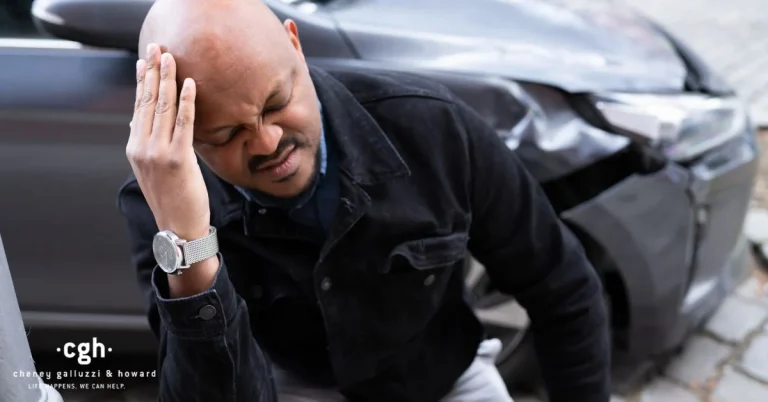


A traumatic brain injury case rarely turns on sympathy alone. People understand, in a general sense, that a blow to the head can change a life. What they often do not understand is how subtle, persistent, and expensive those changes can be. A client may look fine in a courtroom, answer simple questions, and walk in without assistance. Meanwhile, that same person may struggle to process information, manage emotions, tolerate noise, return to work, or remember instructions long enough to complete basic tasks.
That gap between appearance and reality is where expert testimony becomes indispensable.
For a brain injury lawyer in Denver, expert testimony is not window dressing. It is the framework that turns a difficult, often invisible injury into a case that judges, juries, insurers, and opposing counsel can evaluate in practical terms. The best lawyers do not use experts as afterthoughts. They build a case around them carefully, deciding not only which specialists are needed, but also when to involve them, what records they need, and how their opinions fit together into a coherent account of injury, causation, prognosis, and damages.
Brain injury litigation sits at the intersection of medicine, rehabilitation, economics, and law. A lawyer handling these claims has to translate across all four.
Why brain injury cases demand more than ordinary proof
A broken bone usually shows up clearly on an X-ray. A spinal surgery leaves a visible record. Brain injuries are often different. Even in serious cases, standard imaging may not tell the whole story. A client can have a concussion, a diffuse axonal injury, or a post traumatic cognitive impairment that reshapes daily life without producing the kind of dramatic scan a jury expects to see.
That creates a predictable problem in litigation. Defense lawyers and insurance carriers often question severity, duration, and cause. They may argue that symptoms are exaggerated, preexisting, stress-related, or attributable to depression, sleep problems, substance use, or normal aging. In mild traumatic brain injury cases, those arguments come early and often.
A seasoned Brain Injury Lawyer Denver residents trust knows that records alone seldom answer those attacks. Emergency room notes may focus on immediate stabilization, not long term cognitive consequences. Primary care visits can be brief and incomplete. Family members can describe changes in personality or memory, but they cannot diagnose neurological impairment. Employers may notice performance problems, yet they are not qualified to link those problems to trauma.
Experts fill those gaps. They explain what happened inside the brain, how clinicians identify injury even when symptoms evolve over time, why deficits may not be obvious to a casual observer, and what the future likely holds. Just as important, they help separate valid claims from weak ones. Good expert work does not simply increase value. It also sharpens judgment. Sometimes it confirms a serious injury. Sometimes it narrows the issues. Sometimes it reveals that a case needs a different strategy entirely.
The first question experts help answer: what exactly is the injury?
In many personal injury cases, the legal fight begins with liability. In brain injury cases, the fight often begins one step earlier, with definition.
A lawyer has to establish whether the client suffered a concussion, a mild traumatic brain injury, a moderate or severe TBI, an anoxic injury, a penetrating injury, or a secondary condition stemming from trauma. Each category carries different medical implications and different evidentiary challenges. The labels matter because they affect treatment recommendations, functional expectations, and damage calculations.
Neurologists often play a central role here. They assess the mechanism of injury, review imaging, examine symptom progression, and evaluate whether the clinical picture fits traumatic brain injury. In some cases, a neurosurgeon may weigh in, especially where skull fractures, intracranial bleeding, or surgical intervention are involved. Physiatrists, who specialize in physical medicine and rehabilitation, can be particularly effective witnesses because they often have a broad view of recovery, function, and ongoing care needs.
The lawyer’s task is not simply to hire a doctor with impressive credentials. It is to find the right specialist for the actual dispute. If the defense is saying there was no meaningful neurological injury, a neurologist may be the anchor witness. If the defense accepts an initial concussion but disputes long term disability, a neuropsychologist or rehabilitation expert may matter more. The case theory drives the expert lineup, not the other way around.
Neuropsychologists often become the bridge between symptoms and proof
Ask trial lawyers who handle brain injury cases which experts tend to be most persuasive, and many will point to neuropsychologists. That is not because they are dramatic witnesses. Usually, they are not. It is because they test what many clients struggle to explain.
A neuropsychological evaluation can measure memory, attention, processing speed, executive functioning, language skills, visual spatial ability, and emotional factors. The testing process is structured, standardized, and designed to evaluate effort as well as performance. That makes it harder for the defense to dismiss complaints as vague or self reported.
In a well prepared case, the neuropsychologist does more than read test scores. The expert explains how deficits show up in ordinary life. A drop in processing speed may mean a client cannot keep up with multi step instructions in a warehouse, track competing demands in an office, or safely react while driving. Impaired executive function may mean missed deadlines, poor planning, emotional impulsivity, and difficulty adapting to changes in routine. Those are not abstract clinical terms. They are the mechanics of lost independence.
Timing matters. Testing too early can be misleading because acute symptoms may improve. Waiting too long can create a different problem, especially if the defense argues that other stressors contaminated the picture. Experienced counsel usually considers the treatment timeline, symptom history, work demands, and litigation schedule before sending a client for formal testing.
There is also a practical point many clients do not expect. Neuropsychological testing can be tiring and frustrating. It may last much of a day, sometimes longer. A good lawyer prepares the client honestly. The goal is not to perform well or poorly. The goal is to be accurately measured.
Causation is where expert testimony often wins or loses the case
Many people in Denver live active lives. They ski, bike, hike, climb, commute in traffic, and work physically demanding jobs. By the time a brain injury claim reaches litigation, the client may already have a layered medical history. Prior concussions, migraines, anxiety, ADHD, sleep disorders, military service, youth sports injuries, or unrelated falls can complicate the picture.
The defense will use that complexity.
Causation testimony addresses one of the hardest questions in the case: did this incident actually cause the current impairment, or did it merely coincide with it? That issue can become especially thorny when initial imaging is normal, symptoms are delayed, or the client had preexisting vulnerabilities.
A strong expert does not pretend the history is clean if it is not. Credible testimony acknowledges prior conditions, then explains the distinction between baseline functioning and post incident decline. Sometimes the most important evidence comes from comparison. A client may have had a past concussion in college but recovered fully, completed years of stable employment, and functioned independently until the crash or fall https://jasperfjgl584.stonefielddigest.com/posts/how-a-brain-injury-lawyer-in-denver-values-a-traumatic-brain-injury-claim at issue. An expert can put that sequence in context and explain why the current deficits are consistent with new trauma rather than old history.
In Colorado cases, this kind of nuanced causation analysis can make settlement discussions move. Insurance adjusters and defense firms are used to seeing overreaching claims. They react differently when a carefully qualified specialist offers a balanced opinion grounded in records, testing, and differential diagnosis. Overstatement weakens value. Precision tends to increase it.
Experts help show what the injury costs over time
Brain injury damages are not limited to emergency treatment and follow up visits. In many cases, the largest losses are downstream. They show up months and years later in reduced earning capacity, the need for vocational retraining, counseling, medication management, supervised care, home support, and a changed family structure.
This is where a lawyer often turns to a broader team.
A life care planner may project future medical and supportive needs. An economist may assign present value to those costs and to lost earnings. A vocational expert may assess whether the client can return to prior work, perform alternate jobs, or compete in the labor market at all. Treating therapists and rehabilitation providers can explain what daily assistance is now necessary and why.
These experts should not operate in isolation. In a well prepared case, their opinions fit together. The neurologist or neuropsychologist defines functional limitations. The vocational expert translates those limitations into workplace consequences. The life care planner identifies future services required because of those limitations. The economist quantifies the cost.
When that chain is broken, the defense notices. If a vocational expert says the client cannot work, but the medical testimony is vague about why, the opinion is vulnerable. If a life care plan includes extensive future care with little clinical support, it invites attack. Strong cases feel integrated. The testimony of one witness naturally supports the next.
The everyday experts matter too, even if they are not retained for trial
Not every important expert is hired solely for litigation. Treating physicians, speech therapists, occupational therapists, psychologists, and rehabilitation specialists often become crucial witnesses because they saw the client over time, outside the formal setting of a defense exam or one day evaluation.
A speech therapist, for example, may provide some of the clearest testimony in a mild to moderate brain injury case. Despite the title, speech therapy often addresses much more than speech. These providers work on memory strategies, attention, organization, processing, and communication under real world conditions. They observe whether the client can retain instructions from one session to the next, whether fatigue worsens performance, and whether compensatory strategies actually help.
Occupational therapists can be equally persuasive. They assess how a person manages routine tasks, work simulation, and sensory demands. Their observations often land well with juries because they are practical. Can the person prepare a meal safely? Can they manage bills? Can they tolerate a normal workday without cognitive shutdown? Can they sequence tasks without redirection?
A smart lawyer does not assume every treating provider will be an effective witness. Clinical skill and courtroom skill are different things. Some excellent providers are uncomfortable testifying or overly tentative. Others are superb educators who explain complex deficits in plain language. Part of trial preparation is identifying who can teach, not just who treated.
Expert testimony has to account for the invisible effects families live with
Brain injuries ripple outward. Spouses, parents, and children often experience the injury long before the legal system understands it. The person they knew may still be physically present, yet less patient, less organized, more withdrawn, more explosive, or less able to carry emotional weight at home.
Experts can help validate those changes without turning the case into sentiment alone.
Neuropsychiatrists and psychologists may explain mood dysregulation, irritability, depression, anxiety, apathy, and reduced frustration tolerance after brain trauma. They can distinguish a reactive emotional response from a neurologically rooted behavioral change. That distinction matters because jurors tend to understand sadness after injury, but they may misread irritability or flattened affect as attitude rather than impairment.
This is also where a lawyer’s judgment matters. Every symptom does not need an expert label. Over medicalizing normal grief can make a case feel inflated. The strongest presentations focus on changes that are substantial, documented, and consistent over time. Family testimony then becomes more compelling because it is anchored to clinical explanation rather than standing alone.
What a Denver lawyer looks for when choosing an expert
The most credentialed expert is not automatically the best one. In fact, some of the most polished CVs hide serious problems. Juries can spot a professional witness who appears detached from patient care. Judges can lose patience with experts who stray beyond their specialty. And opposing counsel will absolutely pull prior testimony, publications, fee schedules, and inconsistencies if they think the witness is vulnerable.
When choosing an expert, experienced counsel usually weighs a handful of practical factors:
- subject matter fit with the actual disputed issue
- current clinical experience, not just academic prestige
- communication style under cross examination
- ability to explain limitations without advocacy
- consistency between opinions, records, and known science
That last point deserves emphasis. The best experts are rarely absolutists. They concede uncertainty where uncertainty exists. They explain limits. They avoid overclaiming. Ironically, that restraint often makes them more persuasive, especially in brain injury cases where outcomes vary widely from person to person.
Local familiarity can matter too. A Denver jury may respond well to an expert who understands the region’s industries, commuting patterns, outdoor recreation culture, and health care landscape. A vocational opinion carries more weight when the witness can discuss actual local job demands rather than speaking in generic national terms.
Defense experts are part of the landscape, and good lawyers prepare for them early
No discussion of expert testimony in a brain injury case is complete without addressing the other side. Defense medical examinations and retained experts are common, especially in higher value claims. Their role is predictable. They may dispute diagnosis, minimize impairment, attribute symptoms to psychological factors, or argue the client reached maximum improvement quickly.
A prepared lawyer does not wait for the defense report to start thinking about rebuttal. The groundwork begins much earlier, with careful record collection, symptom chronology, collateral interviews, and witness preparation.
Some recurring defense themes show up again and again:
- normal imaging means no real brain injury
- symptom complaints are inconsistent with observed behavior
- preexisting conditions explain current deficits
- test results reflect poor effort or secondary gain
- recovery should have occurred within weeks or months
Each of those arguments can be met, but only with disciplined evidence. For instance, normal imaging does not rule out all clinically meaningful brain injury, particularly in milder cases. Yet the lawyer needs a qualified expert to explain that point accurately, not rhetorically. Likewise, a defense claim of poor effort on testing cannot be brushed aside with indignation. It has to be addressed through test validity measures, treatment history, and observed day to day functioning.
Cross examination of defense experts often focuses on scope and assumptions. How much time did they spend with the client? Which records did they review? Did they account for testimony from family, employers, and therapists? Are they applying standards used in actual clinical care, or only narrow litigation positions? Often the goal is not to destroy the witness completely. It is to show the jury where the opinion is incomplete.
Building a timeline often matters as much as hiring the right specialists
One of the most overlooked aspects of expert work is chronology. Brain injury symptoms unfold over time. Headaches may improve while memory problems persist. Sleep disturbance may feed irritability. Depression may emerge after work loss. Vestibular dysfunction can complicate concentration. If the story is told out of order, the case becomes hard to follow.
A lawyer who handles these claims well usually creates a detailed timeline long before trial. It may include the incident, emergency response, early symptoms, imaging, specialist referrals, therapy milestones, work attempts, relapses, family observations, and changes in school or employment performance. That timeline is then shared, in appropriate form, with retained experts so their opinions are grounded in an organized factual record.
This sounds simple. It is not. Medical records are often messy. Notes conflict. Dates drift. Symptoms are documented inconsistently. Clients forget details, especially when memory itself has been affected. Sorting that out is labor intensive, but it pays off. Experts who receive a clean, reliable chronology tend to give clearer, more defensible opinions.
Settlement leverage often comes from credible expert preparation, not courtroom theatrics
Most civil cases resolve before verdict. Brain injury cases are no exception. Expert testimony still drives value even when nobody takes the stand.
Why? Because serious defense firms evaluate trial risk. If they see a coherent expert package from a credible Brain Injury Lawyer Denver claimants rely on, their calculations change. They know what a well qualified neuropsychologist, vocational expert, and life care planner can do in front of a jury if the foundation is solid. They know that a treating neurologist with years of documented observations can be difficult to neutralize. They know that invisible injuries become less invisible when several independent professionals describe the same limitations from different angles.
This is where early investment can matter. Waiting until late in the case to think about experts often leads to rushed evaluations, unsupported opinions, and missed treatment records. On the other hand, overloading a case with unnecessary experts can backfire. It raises costs and can make the presentation feel manufactured. Good lawyering is partly the art of selecting enough expertise to prove the case, but not so much that the case disappears beneath its own machinery.
The human story still matters, but experts make it legible
A jury does not award damages to a diagnosis. It awards damages to a person. That truth never changes. Yet in brain injury litigation, the human story needs translation. Without it, subtle impairments are easy to underestimate.
Expert testimony gives shape to what clients and families are living through. It explains why a once reliable employee now misses details, why a patient who seems articulate can still be disabled, why fatigue can destroy consistency, and why a “mild” brain injury can have serious consequences. It also imposes discipline. Not every complaint stems from trauma. Not every symptom will last forever. Not every case supports a catastrophic damages model. Honest expert analysis clarifies all of that.
For a lawyer, the ultimate goal is not to flood the file with impressive names. It is to create proof that holds together under scrutiny. In a strong Denver brain injury case, each expert answers a necessary question. What happened to the brain. How do we know. What limits does it cause. What care will be needed. What work can still be done, if any. What will those losses cost over time.
When those answers are medically grounded, internally consistent, and tied to the client’s real life, the case stops looking like a set of complaints and starts reading as what it is: a measurable injury with lasting consequences. That is the quiet power of expert testimony, and it is one of the main reasons brain injury litigation demands both legal skill and careful professional judgment.
CGH Injury Lawyers
Address: 2701 Lawrence St Ste 201, Denver, CO 80205
Phone number: +17206698062
FAQ About Brain Injury Lawyer Denver
What to avoid after brain injury?
After a brain injury (such as a concussion or traumatic brain injury), protecting your brain from physical, mental, and chemical stress is critical to proper healing.
What is a brain injury lawyer?
A brain injury lawyer (or Traumatic Brain Injury / TBI lawyer) is a personal injury attorney who represents individuals who have suffered concussions, contusions, hemorrhages, or other forms of brain trauma caused by someone else's negligence, recklessness, or intentional harm.
Can traumatic brain injury be cured?
A traumatic brain injury (TBI) cannot be strictly "cured" in the sense of reversing permanent cell death or restoring the brain to its exact pre-injury state. However, the brain possesses a remarkable ability to heal and adapt.